BUSINESS
What AI UGC and avatar ads are
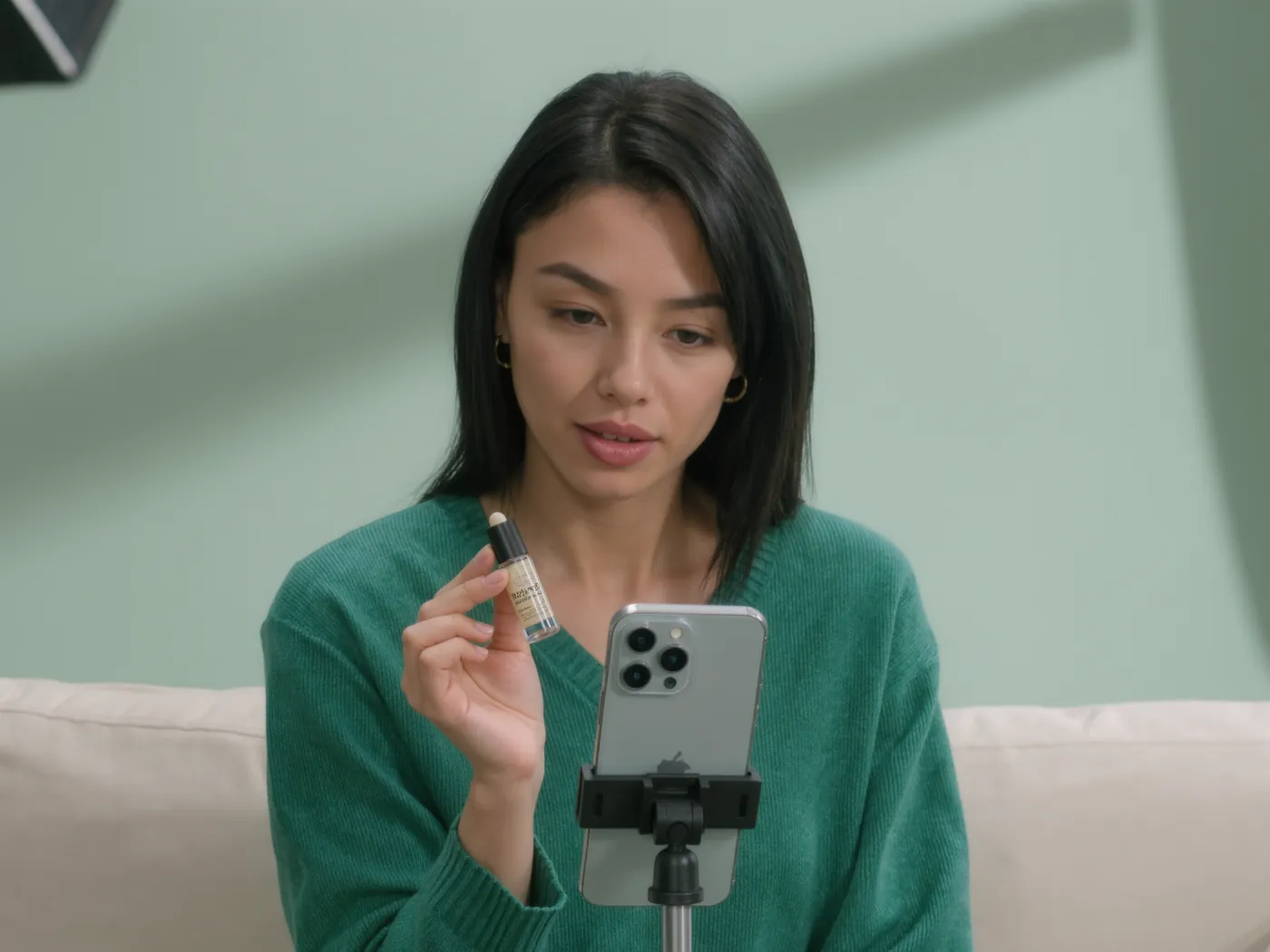
UGC stands for user-generated content: videos that look like a real user shot them on a phone. In advertising they often feel more credible than glossy spots. AI UGC swaps the real person for an AI actor or an avatar that delivers your script.
| Type | What it is | Examples |
|---|---|---|
| Stock AI actors | Ready-made AI people or avatars of licensed actors from a library | Arcads, Creatify, HeyGen, TikTok Symphony Avatars |
| Your own avatar | A digital twin of a real person, with their consent | HeyGen, Synthesia |
| Presenter avatar | Speaker for explainers and training, more formal than UGC | Synthesia, HeyGen |
| Ad generator | Produces ad creative, including variants, from product info | Creatify, Superscale |
Tools compared
| Tool | Focus | Free | Paid from | Source |
|---|---|---|---|---|
| Arcads | UGC ads with 1,000+ AI actors, custom avatars | Trial, per vendor | No public pricing page | arcads.ai |
| HeyGen | Avatars, your own digital twin, translation | 3 videos/mo, up to 1 minute, watermarked | Creator $29/mo ($24 annual), Pro from $49 | heygen.com |
| Synthesia | Presenter avatars, training, dubbing | Basic: 10 minutes, watermarked | Starter $19/mo ($14 annual), Pro $89 ($59 annual) | synthesia.io |
| Creatify | Ads from product links, AI actors | 10 credits/mo, watermarked | Standard from $10/mo (page shows $15 and $10) | creatify.ai |
| TikTok Symphony | Avatars of licensed actors, 30+ languages | For advertisers | Via a TikTok ads account | TikTok for Business |
As of Nov 10, 2026 per vendor pages, excluding tax. Allowances (credits, minutes) vary widely; compare the cost per finished video.
| Tool | Best for | More |
|---|---|---|
| Arcads | UGC ads with AI actors | Overview · Try →Ad |
| Superscale | Ad creative for Meta and Google | Overview · Try →Ad |
| HeyGen, Synthesia, Creatify | Avatars and ad generators, no partner link |
“Try” links are affiliate links (advertising): I earn a commission at no extra cost to you.
When AI UGC works, and when it flops
| Tends to work | Tends to flop |
|---|---|
| Testing messages and hooks before booking real creators | As a substitute for real testimonials |
| Products with a clear, quickly explained benefit (apps, tools) | Products where trust and touch matter (health, finance, beauty) |
| Many variants for different audiences and languages | One glossy ad expected to carry everything |
| Explainers, how-tos, translations | Humour that needs timing and real expression |
| Short flights, fast creative rotation | Evergreen ads where the audience sees the same avatar over and over |
One pattern runs through it: AI UGC is strongest as a fast, cheap testing lab. When a message works, it often pays to reshoot it with a real person. Viewers on TikTok and Instagram have seen plenty of AI actors; a polished, interchangeable delivery gets swiped away fast.
Scripts and hooks: using the testing lab properly
AI UGC’s biggest advantage is that an extra hook costs almost nothing. Use that systematically:
- One message
One benefit, one audience, one offer. Everything else stays the same.
- Five hooks
Problem, outcome, objection, curiosity, contrarian: one opening line each.
- Same rest
Same actor, same script after the hook, same length.
- Label
Apply the platform’s AI label, make “Ad” visible.
- Review
After enough impressions: early retention, click rate, cost per lead.
What makes a good UGC script
- A problem in the first line, in the audience’s own words.
- No invented experience. The actor describes what the product does, not “since I started using it, I…”.
- One concrete benefit you can back up.
- A call to action that fits the offer.
- 15 to 30 seconds. Longer rarely helps.
Disclosure duties: advertising and AI
AI UGC needs two disclosures at once: it’s an ad, and it’s AI. Both must be clearly recognisable.
| Rule | What applies | Source |
|---|---|---|
| FTC fake reviews rule (US) | Since 2024: reviews and testimonials from people who don’t exist are banned, explicitly including AI-generated ones. | FTC |
| FTC endorsement guides (US) | Material connections must be disclosed, and endorsements must reflect real experience; an AI actor can’t claim to have used the product. | FTC |
| Meta ads | Ads created or significantly edited with Meta’s AI get an AI label, next to “Sponsored” for photorealistic AI people. Since June 2026 Meta also detects ads from third-party AI tools automatically. | Meta |
| TikTok ads | AI content only with the AIGC label or your own clear disclaimer; undisclosed AI content is rejected or restricted. Using a public figure’s likeness without permission is banned. | TikTok Ads Policy |
| EU AI Act, Art. 50 | Since Aug 2, 2026: disclose realistic AI people who could pass as real, if you reach people in the EU. | artificialintelligenceact.eu |
| Germany (UWG) | Ads must be recognisable as ads (§ 5a(4)); false or deceptive statements are misleading (§ 5). | § 5a UWG |
Real people, avatars and voices
As soon as a real person is involved, as your own avatar, as a voice or as a model, you need their consent.
- An avatar of yourself: fine if you consent. Check whether the vendor uses your data for training.
- An avatar of someone else: only with their explicit consent. HeyGen’s policy, for example, bans avatars of other people without their explicit consent.
- Voice cloning: only with the person’s prior, explicit and informed permission; HeyGen also requires you to keep verifiable proof of it.
- A person’s image: publicity and personality rights apply to AI recreations; in Germany, § 22 KUG requires the depicted person’s consent.
- Lookalikes: a generated actor who resembles a well-known person is a risk even if unintended. Pick another.
My rule of thumb: platform and tool terms are a trade. If you use a vendor’s avatar features, you hand over data and control and remain responsible for the result. Read the terms first, then scale, and have a person sign off before anything goes live.
Metrics: how to tell AI UGC pays off
| Metric | What it shows | What progress looks like |
|---|---|---|
| Retention in the first seconds | Whether the hook stops the scroll | One hook clearly beats the others |
| Click rate | Whether the message interests people | Rises across test rounds |
| Cost per lead or purchase | Whether the ad drives business | As good as or better than existing creative |
| Cost per finished video | Whether production really is cheaper | Well below filmed variants |
| Negative comments | Whether the audience finds the AI off-putting | Few, no cluster of “fake” comments |
| Rejections | Whether labelling and content are right | Zero |
Always judge AI UGC against your existing creative, not in isolation. And track the brand effect: comments like “fake” or “AI” are an early warning sign.
The process: from idea to live ad
An AI UGC test isn’t a creative project, it’s a small experiment. The process below keeps it small, fast and properly documented, so you actually know something at the end.
- Hypothesis
Which message should work better than today, and for whom?
- Script
One script, five hooks, no invented experience.
- Production
Pick the actor, generate variants, watch each one in full.
- Sign-off
Check labels, rights and claims; a person approves.
- Review
Record the winner, switch off the losers, next hypothesis.
Log every test in a simple table: date, hypothesis, variants, budget, result, decision. After a few rounds you’ll see patterns no tool will tell you, such as which kind of hook lands with your audience.
Checklist before you go live
- Recognisable as an ad: platforms label paid ads; in organic posts you add the disclosure yourself.
- AI label applied: on TikTok the AI label or a clear disclaimer; on Meta check that the label shows.
- No invented experience: the actor describes the product, they don’t testify to it.
- No promises: no health, income or guarantee claims you can’t back up.
- Unremarkable actor: no resemblance to famous people, no real person’s voice without consent.
- Tool terms: commercial ad use covered by your plan.
- Affiliate programme: if you’re promoting an affiliate product, does the programme allow paid ads at all? Some ban them.
That last point is often missed: many affiliate programmes ban paid ads or bidding on the brand name. Run them anyway and you risk having commissions voided. Read the terms before you spend budget.
Working out the real cost
Tool subscription prices say little about what a test really costs. Count three items: the tool, your media budget and your time.
| Item | What it includes | Typical mistake |
|---|---|---|
| Tool | Subscription or credits; free plans usually watermark, which won’t do for ads | Comparing monthly prices, not cost per finished video |
| Media budget | Enough impressions per variant that differences aren’t chance | Testing ten variants on a budget that covers two |
| Time | Script, selection, checks, labelling, review | Counting your own time as zero |
| Risk | Rejected ads, restricted accounts, voided commissions | Reading the terms only once there’s trouble |
An honest rule of thumb: fewer variants with enough budget each tell you more than many variants with little. Five hooks is already a lot for most small accounts. If the budget isn’t enough for a clear answer, test two hooks against each other and repeat.
At the end, compare not just cost per lead but what the same money would have bought with a real creator. AI UGC pays off mainly when it helps you spend your budget for real productions more precisely.
12 prompts for AI UGC ads
These prompts go to a chat assistant; the output then goes into the avatar tool. Put your brand brief first.
[Brand brief]. Write a 20-second UGC script for [product]: problem in the first line in the audience’s words [quotes], then what the product does, one benefit you can back up, call to action. No first-person experience (“since I started using it”), no invented numbers or testimonials.
For this script [script], write five alternative opening lines (max 10 words): problem, outcome, objection, curiosity, contrarian. The rest of the script stays the same.
Adapt this script [script] for three audiences: [audience 1–3]. Same benefit, different examples and wording. Max 60 words each.
Describe the right AI actor for this script [script]: age, presence, setting, tone of voice, camera (selfie, tripod). No resemblance to well-known people, credible for [audience].
List the five most common objections to [product] and write a 15-second script for each that answers the objection honestly, with no pressure and no promises we can’t back up.
Turn this script into caption lines (max 32 characters) and three short on-screen text cards for the key points. Add a disclosure line: “Ad · AI-generated person”.
Check this UGC script and ad description for risks: [script + description]. Does the AI person pose as a real customer? Are ad or AI disclosures missing? Any health, income or guarantee claims? A first pass, not legal advice.
Plan a test with [number] hooks and [budget] on [platform]. How should I split the budget, after how many impressions per variant can I cautiously compare, and which metric decides? Say where the budget is too small for a confident result.
Here are my variants’ results: [impressions, retention at 2 s, click rate, cost per lead per variant]. Which hook wins, and how confident can I be? What should I test next?
This hook and script won the test: [script]. Write a brief for a real creator: goal, key message, hook, mandatory disclosures (ad), what’s open to their style, what must not be said.
Adapt this script for [market/language], not word for word: fitting examples, tone, units, dated prices. Flag claims that only hold legally in the original market.
I want to create an avatar of [person, e.g. our CEO]. List what the consent should cover (image, voice, purpose, duration, withdrawal, channels) and which questions to clear with a lawyer. Not legal advice.
The most common mistakes
- Passing off AI actors as real customers. Misleading under consumer law and banned in the US under the FTC rule.
- Running ads without an AI label. TikTok rejects or restricts them, and Meta increasingly detects AI automatically.
- Other people’s voices or faces without consent. Legally risky and banned by reputable vendors.
- Testing too many things at once. Change hook, actor and offer together and you learn nothing.
- Showing the same avatar for too long. Fatigue sets in fast with interchangeable actors.
- Using AI UGC for sensitive products. In health, finance or beauty the trust damage outweighs the savings.
More on AI video in general in AI video for marketing, and on images in AI images for marketing.
Frequently asked questions
What are AI UGC ads?
Ads made to look like user videos, in which an AI actor or avatar delivers a script. They’re mainly useful for testing many hooks and messages quickly and cheaply.
What tools exist for AI UGC?
Among others, Arcads and Creatify for ads with AI actors, HeyGen and Synthesia for avatars and your own digital twin, and TikTok Symphony with avatars of licensed actors for advertisers.
How much do AI avatars cost?
Per vendor pricing pages on November 10, 2026: HeyGen Creator $29 a month ($24 annual), Synthesia Starter $19 ($14 annual), Creatify from $10. Arcads doesn’t publish prices. Free plans usually add a watermark.
Do I have to label AI actors in ads?
Yes. TikTok requires an AI label or a clear disclaimer and rejects or restricts undisclosed AI ads. Meta labels AI ads with photorealistic people next to “Sponsored”. In the EU the AI Act applies since August 2, 2026, and ads must always be recognisable as ads.
Can an AI actor say they used the product?
No. In the US, the FTC has banned testimonials from people who don’t exist since 2024, explicitly including AI-generated ones, and endorsements must reflect real experience. EU consumer law treats it as misleading too.
Can I use a real person’s voice or face?
Only with their explicit consent. Vendors like HeyGen ban avatars and voice clones of other people without verifiable permission, and publicity and personality rights apply.
Do AI UGC ads beat real creators?
There’s no general answer; it depends on product and audience. AI UGC is strongest as a cheap testing lab for hooks; winning messages are often worth reshooting with real people.
What does an AI UGC ad test really cost?
Besides the tool subscription, count the media budget so each variant gets enough impressions, your time for scripting, checks and review, and the risk of rejected ads. Fewer variants with enough budget tell you more than many with little.
Can I run AI UGC ads for affiliate products?
Only if the affiliate programme allows paid ads. Some ban ads entirely or bidding on the brand name; run them anyway and you risk voided commissions. Read the terms before spending your first euro.
Sources
- Arcads – AI actors, trial, no public pricing page
- HeyGen: Pricing – Free 3 videos, Creator $29/$24, Pro from $49
- HeyGen: Moderation Policy – consent for avatars and voice clones
- Synthesia: Pricing – Basic free, Starter $19/$14, Pro $89/$59
- Creatify: Pricing – Free 10 credits, Standard $15/$10
- TikTok for Business: Symphony – avatars of licensed actors
- Meta: GenAI transparency for ads (Feb 3, 2025, updated June 1, 2026) – AI labels in ads
- TikTok Ads Policy: Misleading and false content – AI disclosure, likeness of people
- FTC: Final rule banning fake reviews and testimonials (Aug 14, 2024) – including AI-generated testimonials
- § 5 and § 5a UWG (German Unfair Competition Act) – misleading claims, disclosing commercial purpose
- § 22 KUG (German Art Copyright Act) – consent of the person depicted
- artificialintelligenceact.eu: Article 50 – disclosure of realistic AI people

Manfred “Luigi” Lugmayr – founder of I4U, in marketing and digital since the 90s, most recently seven years as a CMO. I build the i4u.business website, email funnel and content myself with AI (including Claude, Kling and MailerLite). Figures come from the linked sources.
 Dealneuroflash's Black Friday: a real 25% off, minus the code
 NewsMedium TK puts AI in the editor. The real product is provenance
 NewsSpacefast: Every AI can ship a website now. None of them bring visitors