 BUSINESS

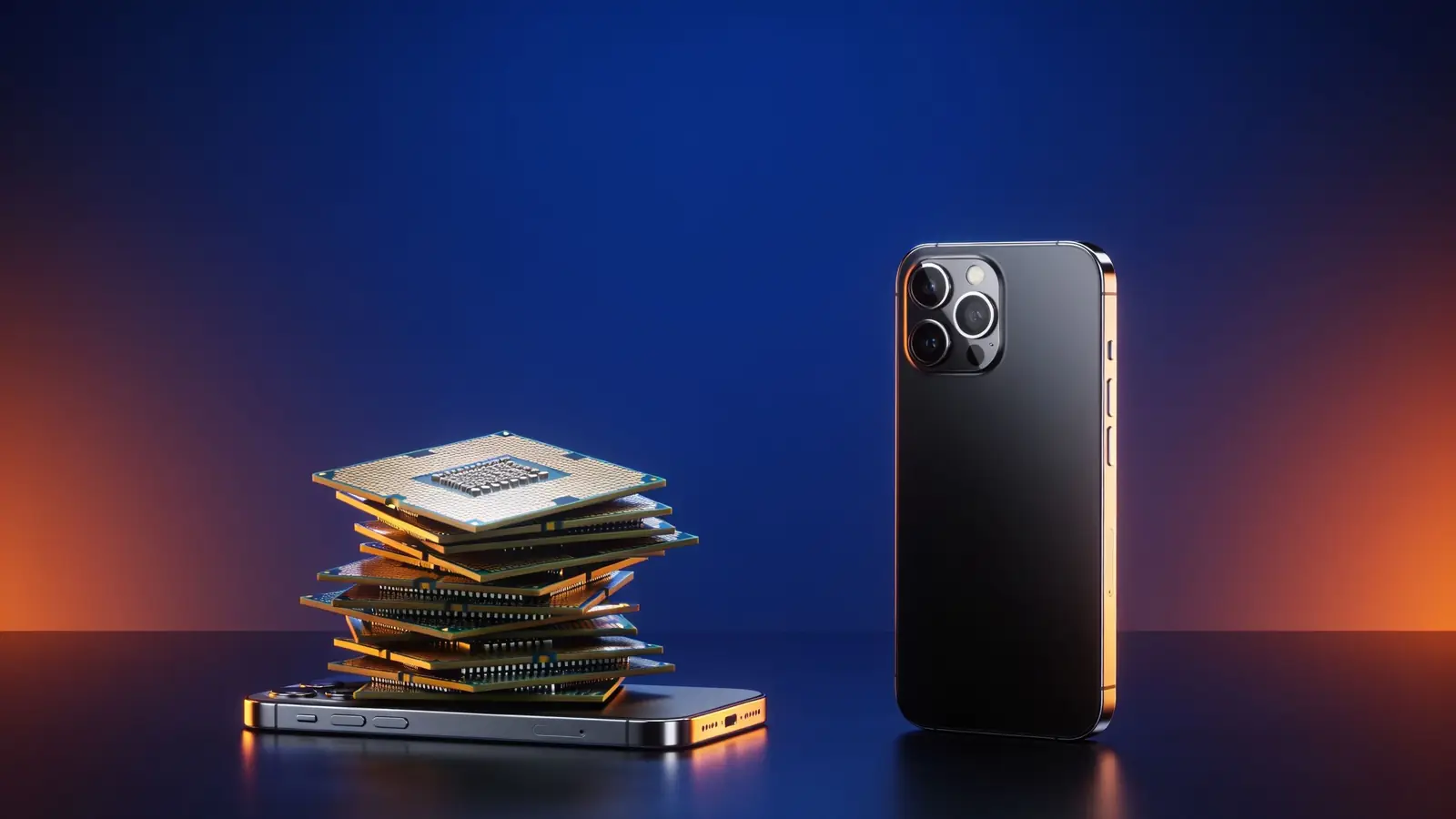
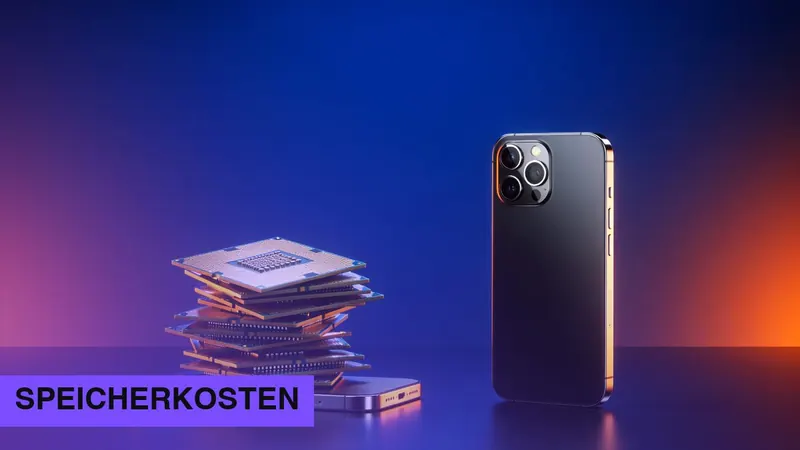
US smartphone shipments fell 9% year on year in the third quarter of 2026, Counterpoint Research said. Apple raised its share from 50% to 57% and was the only major manufacturer without a shipment decline, the analysts said. Counterpoint blames rising memory costs, which hit low-end Android devices hardest.
Key facts
- US smartphone shipments fell 9% year on year in Q3 2026, Counterpoint Research said.
- Apple's share rose from 50% to 57%, Samsung's from 24% to 25%, while Motorola's fell from 12% to 8%.
- Counterpoint expects elevated memory costs, lasting price increases and weak fourth-quarter sales.
Researched and written with AI, to Luigi's brief, positions and editorial rules. Automatically checked against the sources. How I work →
The figures come from Counterpoint's US Market Monitor. Samsung held 25% of the market, up from 24% a year earlier. Counterpoint credits a mix of flagship Galaxy S and Z series phones and low-end Galaxy A models; SamMobile also points to the Galaxy Z Fold 8, which it says sold well.
Motorola and Google lose share
Motorola took the biggest hit, according to Counterpoint: its share fell four points to 8%. It had gained ground in the second quarter, but its low-end-heavy lineup was squeezed by memory costs. Google's share slipped from 7% to 6%, SamMobile reported. Counterpoint says the Pixel 11 launch was not strong enough to prevent a slight decline.
Counterpoint senior analyst Emily Herbert said Android makers at the low end have little room to absorb a higher bill of materials without raising prices or cutting volume. SamMobile attributes the pressure to the ongoing memory chip shortage, saying RAM and storage prices have multiplied over the past couple of years.
Smartphone sales at the three big US carriers fell 4% year on year in the quarter, according to the Counterpoint US Channel Share Tracker.
Outlook for the holiday season
The fourth quarter is typically the strongest in the US, but Counterpoint expects weak sales this time. Senior analyst Maurice Klaehne said memory costs are expected to stay elevated and list-price increases across Android and iOS are here to stay. Carriers will probably be more selective with promotions, and consumers are timing purchases around the best deals more than ever, if they buy at all.
Apple kept iPhone pricing largely stable for much of the year and held off on broader increases until the iPhone 18 Pro launch in September, 9to5Mac reported. For other supply-chain pressures, see our reports on the Nvidia shipment halt to Southeast Asia and Amazon's Decart deal.
Analysis
The data show who can pass on cost pressure. Apple kept iPhone prices largely stable for much of the year, according to 9to5Mac, and gained seven points of share on Counterpoint's figures, while low-end Android makers had to choose between higher prices and lower volume. Counterpoint does not expect relief: list prices are meant to stay higher, and carriers to be more selective with promotions.
For companies in Germany, Austria and Switzerland the report applies only with caution, because it covers the US market and gives no figures for the German-speaking region. As a signal for budgets it still works: anyone planning company phones or test devices for 2027 should assume higher prices rather than last year's. The same rule holds for Black Friday offers as for any discount: compare against the price of a few weeks ago, not against the list price. Our piece on the ChatGPT price alert shows one way to automate that. With carriers more selective about promotions, a “discount” is often just the normal price with a new label.
Got AI news? Submit news →
FAQ
Why did US smartphone shipments fall in Q3 2026?
According to Counterpoint Research, rising memory costs weigh mostly on Android makers at the low end, which must raise prices or ship fewer devices.
What is Apple's share of the US smartphone market?
Apple took 57% of US shipments in Q3 2026, up from 50% a year earlier, Counterpoint Research says.

 DealBlack Friday AI tools 2026: 18 deals, no discount on ChatGPT or Claude
 NewsUS smartphone shipments fall 9% as memory costs squeeze Android
 NewsGerman Sparkassen confirm Google Pay support, launch in days