 BUSINESS

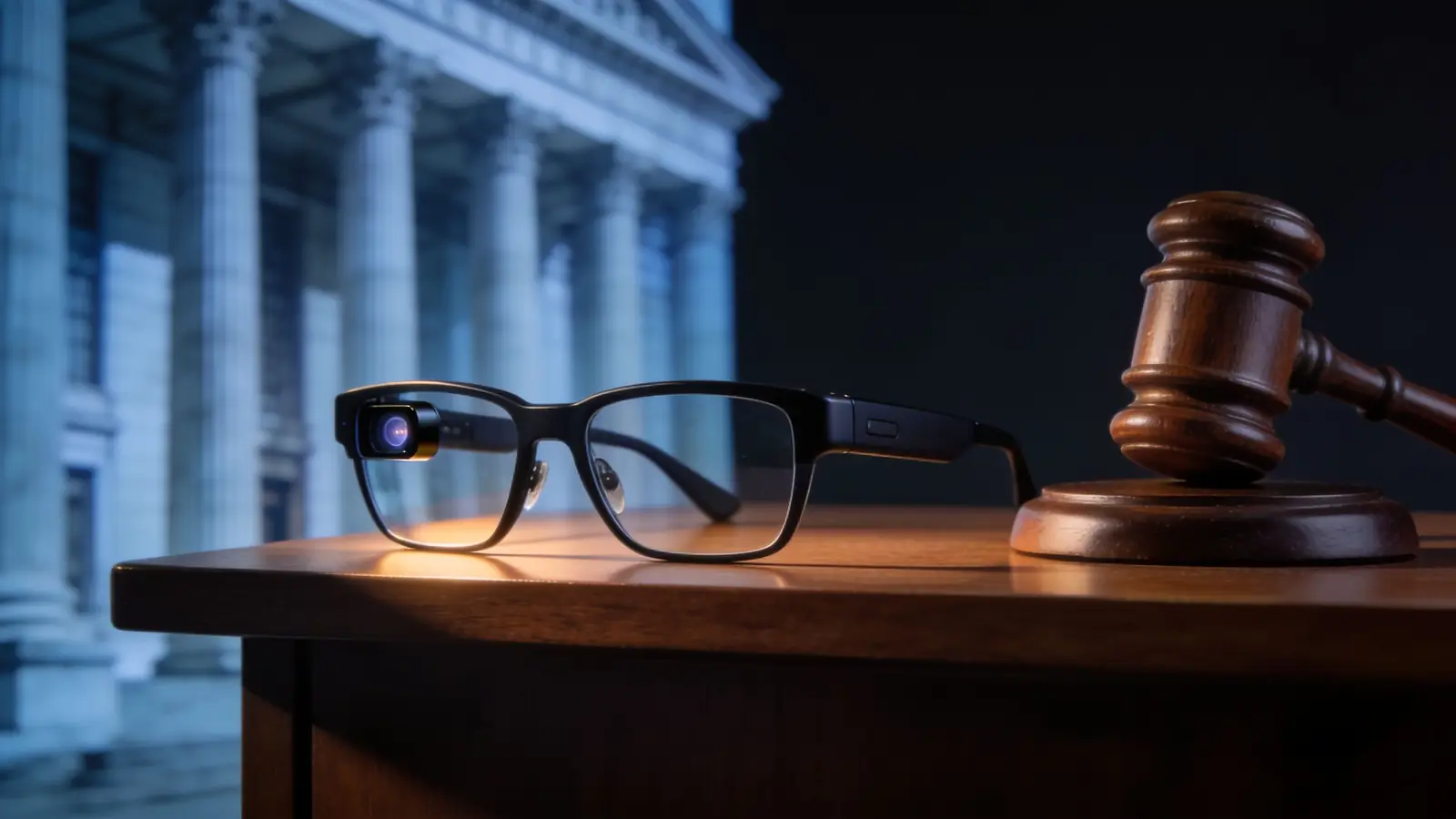
Germany's federal consumer association vzbv has filed an injunction suit against Meta's eyewear partner Luxottica over the Ray-Ban Meta camera glasses and plans to take Meta itself to court, heise online reported. The group says the AI glasses carry considerable privacy risks for wearers and bystanders. For buyers and companies in Germany, the question is whether the advertised features can be used lawfully in daily life.
Key facts
- According to heise online, the vzbv has filed an injunction suit against Meta's partner Luxottica and plans to sue Meta.
- The group accuses Meta of misleading advertising and a GDPR breach because the LED does not adequately inform third parties.
- The Federal Network Agency saw no reason for a market ban so far, while Hamburg's data protection commissioner calls the LED barely visible in daylight.
Researched and written with AI, to Luigi's brief, positions and editorial rules. Automatically checked against the sources. How I work →
According to the vzbv, Luxottica does not adequately inform buyers in its online shop about the legal risks of using the Ray-Ban Meta. Anyone who captures third parties' personal data with the glasses may have to ensure data protection compliance themselves. The related information duties are hard to meet given the glasses' design, the vzbv says, which could expose wearers to fines.
Meta faces a claim of misleading advertising, the vzbv said. It argues that the company suggests the advertised features can be used in everyday life without legal limits. The group sees the design as a breach of the GDPR: the LED does not sufficiently inform third parties that data is being captured. It is also hard for those affected to tell whether their data is used for AI training, which complicates exercising their data protection rights.
What the vzbv wants
The association wants manufacturers held more accountable in the ongoing GDPR reform. They should have to design products with privacy in mind even when they do not process the personal data themselves. The vzbv cites privacy-friendly default settings and clearly recognisable recording functions as examples. According to an October position paper, it considers a blanket ban on smart glasses unhelpful, as it could also affect assistive functions for visually impaired people. The problem extends beyond AI glasses to connected doorbell cameras and cars, the group says.
Authorities disagree on the LED
In August, the organisation HateAid filed a criminal complaint against Meta, Ray-Ban, Oakley and several retailers, arguing that the glasses fall under the legal ban on disguised recording devices. The Federal Network Agency, Germany's telecoms regulator, does not share that view and has so far seen no reason for a market ban, as, in its view, the LED sufficiently signals recording.
A study published in September by Hamburg's data protection commissioner was more critical: the LED is barely visible in daylight and can be tampered with, and compliant use in public is hard to achieve. The Bundesrat, Germany's upper house, also backed stricter rules last week. heise did not give a hearing date. Related: Meta's AI agent Muse arrives in Instagram direct messages.
Analysis
The suit builds on existing law rather than a new ban. If the vzbv wins, Meta and Luxottica could have to change advertising, buyer information or privacy safeguards, according to heise. Until then the risk sits with wearers: the authorities judge the LED differently, and the information duties towards third parties remain, in the vzbv's view, barely achievable.
For companies, that means setting clear rules on where camera glasses may be used and what may be filmed, and keeping responsibility in-house, since anything that requires judgement and carries liability should not be outsourced. Trust is a brand's most important asset; covert or barely noticeable recording can damage it faster than a pair of glasses can win reach.
Got AI news? Submit news →
FAQ
Why is the vzbv suing over Meta Ray-Ban glasses?
The vzbv accuses Meta of misleading advertising and a GDPR breach because the LED does not adequately inform third parties. It says Luxottica does not explain legal risks to buyers.
Are Meta Ray-Ban glasses banned in Germany?
No. The Federal Network Agency has so far seen no reason for a market ban, saying the LED sufficiently signals recording. HateAid disagrees and filed a criminal complaint.
Source
heise online: Kamerabrillen: Verbraucherschützer ziehen gegen Meta und Ray-Ban vor Gericht



 Deal13 AI tool Black Friday deals checked; three offer real savings
 NewsGoogle backs Mozilla's criticism of Apple's iOS browser rules in EU
 NewsAmazon and Meta in talks to end Muse blockade, Fortune reports