 BUSINESS

Companies · · 3 min read · Source: Ogilvy
Ogilvy ECHO: The AI clone of the star is cheap. The yes is not
Ogilvy and talent agency CAA are selling ads built on AI replicas of real stars. The news isn't the tech, it's the contract: nothing ships until the star has signed off. For any brand working with ambassadors or creators, this is a preview of next year's contracts.
Researched and written with AI, to Luigi's brief, positions and editorial rules. Automatically checked against the sources. How I work →
My tool tip · AdWispr Flow – AI dictationTry it free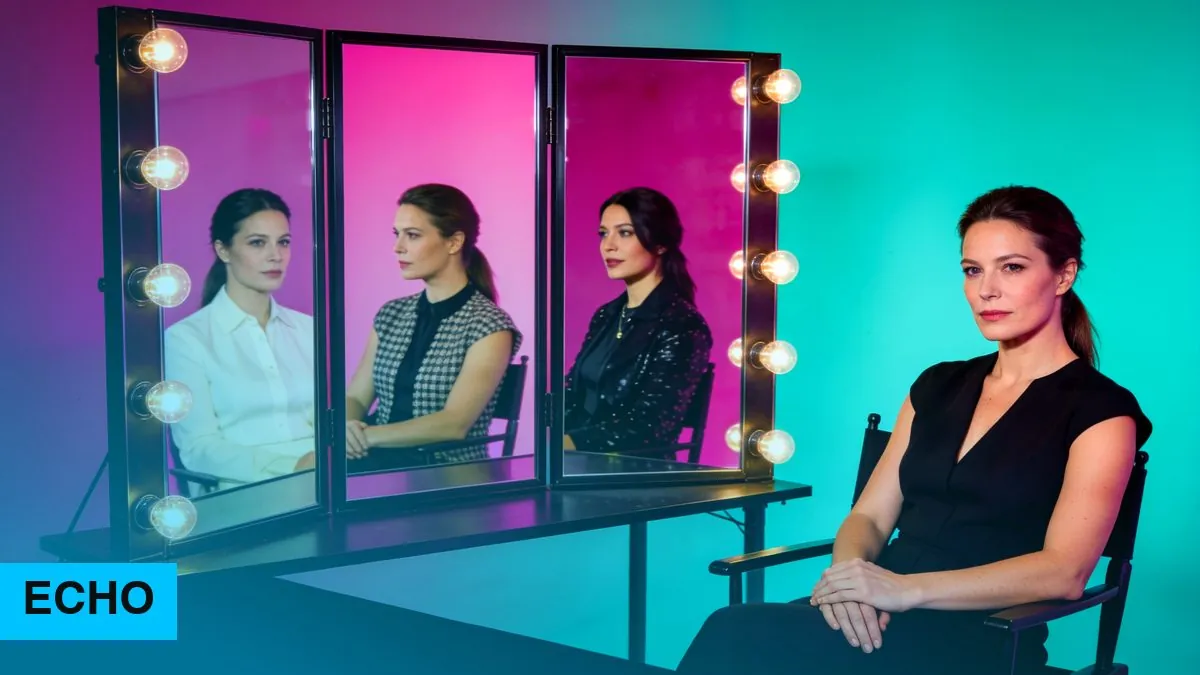
A celebrity shoot costs a fortune and delivers a handful of assets. A few weeks later the material is worn out, and the brand goes dark until the next campaign. Every agency knows that gap. Ogilvy now wants to close it with AI. And the thing it's building matters more than any model: a signature.
What's new
- ECHO: On November 9, 2026, Ogilvy launched its own AI platform that turns a single shoot with celebrities or brand ambassadors into an ongoing stream of new assets.
- Partners: a partnership between WPP and talent agency CAA. The models are trained only on scans stored in the CAA Vault, where CAA captures, stores and licenses its clients' likeness, voice and IP.
- Approval: automated checks compare every asset against the talent's machine-readable usage terms and brand safety rules. Nothing is released without final sign-off through a dedicated agent and talent approval portal.
- Volume and cost: a typical shoot of 8 to 10 assets is meant to become roughly 30 to 50, with cost per asset potentially down by up to 65 to 75%, according to Ogilvy. That's the company's claim, not an independent measurement.
- Labelling: cleared assets carry a visible “[Name] Approved | Recreated with AI” watermark.
Consent is the product, not the AI
Anyone can build an AI copy of a face today. What nobody can just build is a documented yes. That's what ECHO sells. Ogilvy itself calls it the “NIL moment”, borrowing from the US rules that let athletes monetise name, image and likeness. Meaning: the face becomes a licence, and the approval becomes the commodity.
For me this is the logical answer to a question I faced as CMO at burgerme. There I deliberately kept AI content out of the main brand's communication, because trust is a brand's most valuable asset. ECHO flips that logic: AI yes, but only with disclosure on the asset itself. The watermark isn't fine print. It's the proof of trust that gets sold along with the ad.
The new bottleneck is approval
The second-order point: when 10 assets become 50, and every single one needs the talent's consent, the bottleneck moves from production to approval. If it already takes you three weeks to get one testimonial signed off, 50 assets won't make you faster. They'll make you slower. Human in the loop isn't a fig leaf here. It's the capacity limit of the whole system.
The catch
How long does consent last? What happens when a star withdraws it while 40 assets are live in the media plan? The press release doesn't say. And the 65 to 75% is a ceiling with “potentially” in front of it.
What I'd do now
- → Read your existing contracts with testimonials, ambassadors and creators: do they say anything about AI recreation of face and voice? Usually not.
- → For new contracts, settle three things: who may create AI variants, who approves, and what happens on withdrawal.
- → Design the approval process before the content plan: who signs off how many assets per week? That's your real output limit.
Bottom line: In AI advertising with real people, images aren't scarce. The yes is.
Key facts
- Ogilvy launched ECHO on November 9, 2026, an AI platform built on a WPP and CAA partnership that turns a celebrity shoot into new ad assets.
- According to Ogilvy, a shoot's 8 to 10 assets become roughly 30 to 50, with cost per asset potentially down by up to 65 to 75% (company claim).
- No asset is released without the talent's sign-off via a dedicated portal; cleared assets carry a “[Name] Approved | Recreated with AI” watermark.
Source
Ogilvy: Ogilvy Launches ECHO, the Industry's First Talent Consent-Based Creative AI Platform


 DealTagshop Black Friday: The AI UGC plan was cheaper in January
 NewsGoogle puts ads in your AI follow-up question. The report stays blind
 NewsDeepL Aure translates tone. The best English speaker loses the floor