BUSINESS
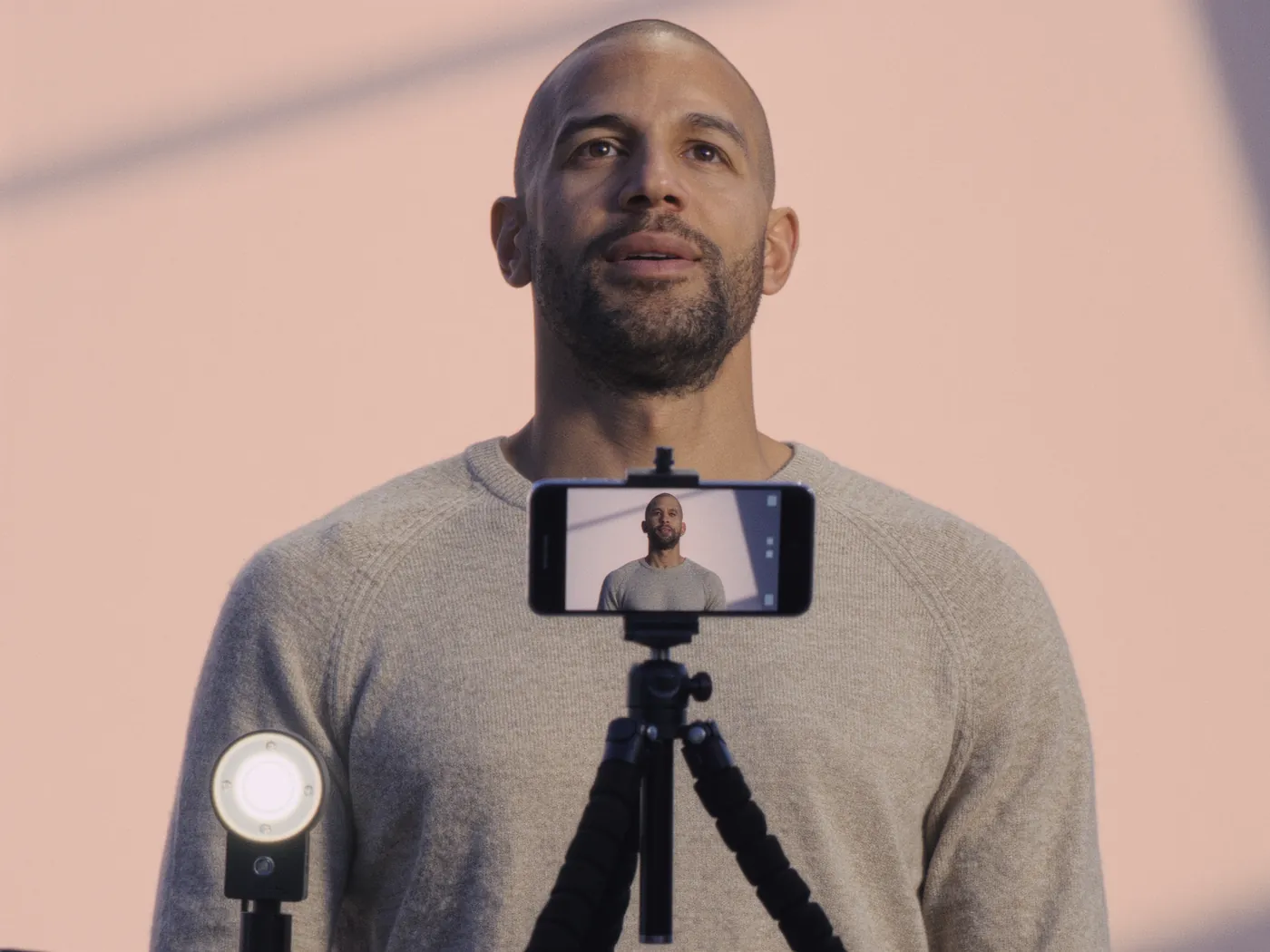
What AI does in social media today
Social media is an ideal field for AI: lots of small, recurring pieces, fast feedback and clear formats. Along the typical workflow, AI handles these jobs today:
- Research
Trends, your audience’s questions, summaries of competitor posts.
- Ideas and hooks
Twenty openers for one topic, ranked by strength.
- Production
Scripts, captions, images, video, subtitles, translations.
- Scheduling
Content calendar and automated publishing across channels.
- Engagement
Suggested replies to comments and messages that you approve.
- Analysis
Finding patterns in your numbers: which hooks, formats and times work.
The strength is volume and speed. The weakness is sameness: when everyone uses the same models with the same prompts, every feed looks alike. Your experience, your opinion and your customers are what AI can’t supply, and that has to go into every post.
Instagram, TikTok, LinkedIn and more: what AI brings per platform
| Platform | Where AI helps most | What to watch |
|---|---|---|
| Carousel copy, Reel scripts, captions, image ideas, comment-to-DM flows | Saves and shares count more than likes; label realistic AI video | |
| TikTok | Hook variants, scripts, subtitles, AI scenes and AI actors | The first 2 seconds decide; AI label required for realistic content |
| Turn notes or voice memos into structured posts, prepare comments | Personal experience beats platitudes; automated messaging breaks the user agreement | |
| YouTube Shorts | Cut long videos into clips, titles and descriptions | Repurpose, but give every platform its own opener |
| Posts for groups and pages, ad variants | Organic page reach is low; groups and ads matter more |
A strategy for every channel at once almost always runs out of time. Better: one main channel where your audience really is, and AI to repurpose from there into two more.
The weekly workflow: social media with AI in three hours
A realistic workflow for one person publishing three to five posts a week on one main channel. Times are guide values from our own work, not a promise.
- Monday, 30 min: topics
Collect customer questions, comments and the week’s news. AI clusters them into 5 topics.
- Monday, 30 min: hooks
Generate 10 openers per topic, pick the 3 strongest.
- Tuesday, 60 min: production
Draft scripts and captions with AI, edit them yourself, create images or video.
- Tuesday, 15 min: schedule
Schedule everything, ideally with one tool that covers several channels.
- Daily, 10 min: engage
Reply to comments in the first hour after posting. AI may draft, you reply.
- Friday, 15 min: review
Give the week’s numbers to the AI: which hook, format and time worked?
Why the hook matters more than the video
On TikTok and Reels, the first two seconds decide whether someone stays. AI is an excellent sparring partner here because it gives you twenty variants in seconds. Good hooks speak to the viewer directly (“POV: you …”), show a situation instead of an intro, and land the punchline or benefit before second five.
Repurpose instead of reinventing
With AI, one good piece becomes five: a carousel, a Reel script, a LinkedIn post, a story poll and a newsletter paragraph. Just make sure every version gets the opener that suits its platform rather than a straight copy.
AI video and AI actors: when they work
AI video is good enough for social media in 2026. Three kinds matter for marketing:
| Kind | Examples | Good for | Limits |
|---|---|---|---|
| Generated scenes | Kling, Veo, Runway | Mood shots, sketches, product worlds, B-roll | Hands, text in frame, long takes |
| AI actors (UGC style) | Arcads, HeyGen | Ad variants with a person on camera, quick message tests | Can feel generic; check disclosure duties |
| An avatar of yourself | HeyGen, Synthesia | Explainers, translating your own videos | Only with your own consent; audiences often notice |
Our experience: the technology is rarely the problem with AI video. Idea, dialogue and pace are what count. A simple sketch about an everyday situation beat every more elaborate production we made.
Prompts for social media
Put your brand brief before every prompt (template in the AI marketing guide). Replace everything in square brackets.
Create a content calendar for [platform] for 4 weeks with [number] posts per week. Audience: [description]. Goal: [e.g. newsletter sign-ups]. Mix 40 % knowledge, 30 % opinion or experience, 20 % entertainment, 10 % offer. For each post: format (Reel, carousel, text), topic, hook in one sentence, call to action. As a table.
Topic: [topic]. Platform: [TikTok/Reels]. Write 20 openers for the first 2 seconds. Use each pattern four times: 1) POV situation, 2) a mistake almost everyone makes, 3) surprising number (real ones only, otherwise [check number]), 4) direct question, 5) before/after. Max 10 words per hook. Score each 1–5 and explain the top 3.
Write 3 caption variants for this post: [content]. First line: benefit or tension in max 8 words. Then 2–3 short paragraphs. End with a question people can answer in one word. Max 4 relevant hashtags, no generic ones like #motivation. Tone: [tone from the brief].
Here are comments under my post: [comments]. Suggest one reply per comment: personal, max 2 sentences, ideally with a follow-up question to keep the conversation going. Flag comments I shouldn’t answer (spam, abuse) or that need a private message.
Here are my posts’ numbers for the last 4 weeks: [table with date, format, hook, views, retention, saves, shares, comments]. Find patterns: which hooks, formats and posting times beat the average? What should I do more and less of next week? Justify with the numbers, no guesses.
Tools for social media with AI
| Tool | Best for | More |
|---|---|---|
| ChatGPT, Claude | Ideas, hooks, scripts, captions, analysis | |
| Upload-Post | Schedule and post to Instagram, TikTok, LinkedIn, YouTube and more, even straight from ChatGPT or Claude | Overview · Try →Ad |
| Arcads | Ad and UGC videos with AI actors | Overview · Try →Ad |
| Kling | AI video and images from text or images (we use it for our sketches) | |
| Wispr Flow | Dictate captions and scripts instead of typing | Overview · Try →Ad |
| Julius AI | Analyse your exported social numbers | Overview · Try →Ad |
| Canva, CapCut | Templates, editing, automatic subtitles |
“Try” links are affiliate links (advertising): I earn a commission at no extra cost to you.
How posting straight from an AI chat works is shown step by step on our AI posting page.
Labelling AI content: Instagram, TikTok and the AI Act
| Rule | What applies | Source |
|---|---|---|
| TikTok | Realistic AI images, video and audio (e.g. real-looking people, voice clones, face swaps) must be labelled with the “AI-generated content” toggle. Not needed for colour correction, filters, standard text-to-speech or AI-written captions. | TikTok Community Guidelines, Hootsuite summary |
| TikTok ads | A separate “This ad contains AI-generated content” toggle in Ads Manager. | TikTok Ads help |
| Instagram, Facebook, Threads | Photorealistic AI video and realistic AI audio must be flagged with Meta’s disclosure tool, or penalties may apply. Images carrying C2PA/IPTC markers get an automatic “AI info” label. | Meta Newsroom |
| EU AI Act Art. 50 | Since Aug 2, 2026: disclose deepfakes when using AI professionally and targeting the EU. Evidently satirical or fictional works need a disclosure that doesn’t spoil them. | artificialintelligenceact.eu |
Our practical rule: anything showing a realistic person who doesn’t exist gets the platform toggle plus a short note in the caption. AI text that we’ve reviewed isn’t labelled separately. Our site footer also states that some images are AI-generated.
From practice: our numbers
We produce several AI videos a day for our channels (@ai.that.works.guide in English, @ki.werkzeuge in German): script with Claude, image and video with Kling, publishing via Upload-Post. What we learned:
Which numbers matter
| Metric | What it shows | When it matters |
|---|---|---|
| Retention at 2–3 seconds | Whether your hook works | Every video, first |
| Watched to the end | Whether content and pace hold up | Videos under 30 seconds |
| Saves | Whether the content is useful | Carousels and how-tos |
| Shares | Whether the content reaches new people | For growth, the strongest signal |
| Profile visits and link clicks | Whether reach turns into interest | When you want leads or sales |
Likes and followers are outcomes, not levers. If retention at 2 seconds is below roughly 50 %, fix the opener before polishing anything else.
Five mistakes that make AI social media generic
- Generic prompts. “Write a post about productivity” gets you what everyone posts. Add your brief, audience and experience.
- No point of view. People follow people. Add one sentence to every AI draft that only you could say.
- Automating everything. Posting can run automatically; replies to comments and messages shouldn’t go out unchecked.
- Not labelling AI content. It costs trust, can cost reach and is required for realistic content.
- Counting output only. More posts without better retention is more work for the same result.
Frequently asked questions
What is the best AI for social media?
ChatGPT or Claude cover ideas, hooks, scripts and captions. For video, Kling (generated scenes) and Arcads (AI actors) work well; for scheduling across channels, a tool like Upload-Post. More important than the tool is a brand brief you put before every prompt.
Can AI create and post social media content automatically?
Yes. You can draft posts with AI and publish them automatically through a scheduling tool; with Upload-Post even straight from ChatGPT or Claude. Still review every post before it goes out and answer comments yourself.
Do I have to label AI images and videos on Instagram?
Meta requires disclosure for photorealistic AI video and realistic AI audio and automatically labels images that carry technical AI markers. In the EU, the AI Act has also required deepfake disclosure since August 2, 2026.
Does an AI label reduce reach on TikTok?
According to TikTok, the label alone doesn’t hurt reach. Not labelling realistic AI content risks an added label, reduced reach or removal.
How much time does AI save in social media?
It depends on the workflow. AI saves most on ideas, first drafts, subtitles and repurposing. Don’t cut corners on strategy, editing and engaging with your audience.
Does AI content perform worse than real content?
Not necessarily. In our tests, hook and format decided performance, not whether a video was AI-made. Generic AI content without a point of view does worse, because it doesn’t stand out in the feed.
Sources
- Meta: Labeling AI-Generated Images on Facebook, Instagram and Threads (Feb 6, 2024, updated Apr 1, 2025) – disclosure duty for photorealistic AI video and audio
- TikTok Community Guidelines: Integrity and Authenticity – labelling realistic AI content
- Hootsuite: TikTok AI disclosure policy (Nov 3, 2026) – summary of TikTok rules incl. exceptions
- TikTok Ads: Add disclaimers to ads – AI disclaimer in ads
- artificialintelligenceact.eu: Practical guide to Article 50 – deepfake disclosure since Aug 2, 2026
- Eurostat via Brussels Times (Dec 12, 2025) – 9.5 % of EU enterprises create images, video or audio with AI
- Own data: i4u TikTok analysis Oct 30–Nov 3, 2026; social analysis Oct 26, 2026

Manfred “Luigi” Lugmayr – founder of I4U, in marketing and digital since the 90s, most recently seven years as a CMO. I use the tools described here myself for i4u.business and our social channels. Figures come from the linked sources.
 DealPDFelement Black Friday: what 'up to 84% off' really saves
 NewsInkling 2 Small: open-weight model aims to match Gemini Flash
 NewsSoundCloud: AI music from ElevenMusic now publishes directly