BUSINESS
Developments · · Source: Gizmodo
Ahead of the US midterms, ChatGPT turns election fakes into cartoons
Shortly before the US midterm elections on November 3, 2026, OpenAI introduced a new rule in ChatGPT: images that depict election interference or could discourage people from voting are now generated as cartoons rather than photorealistic images. Independent tests show gaps.
What OpenAI changed
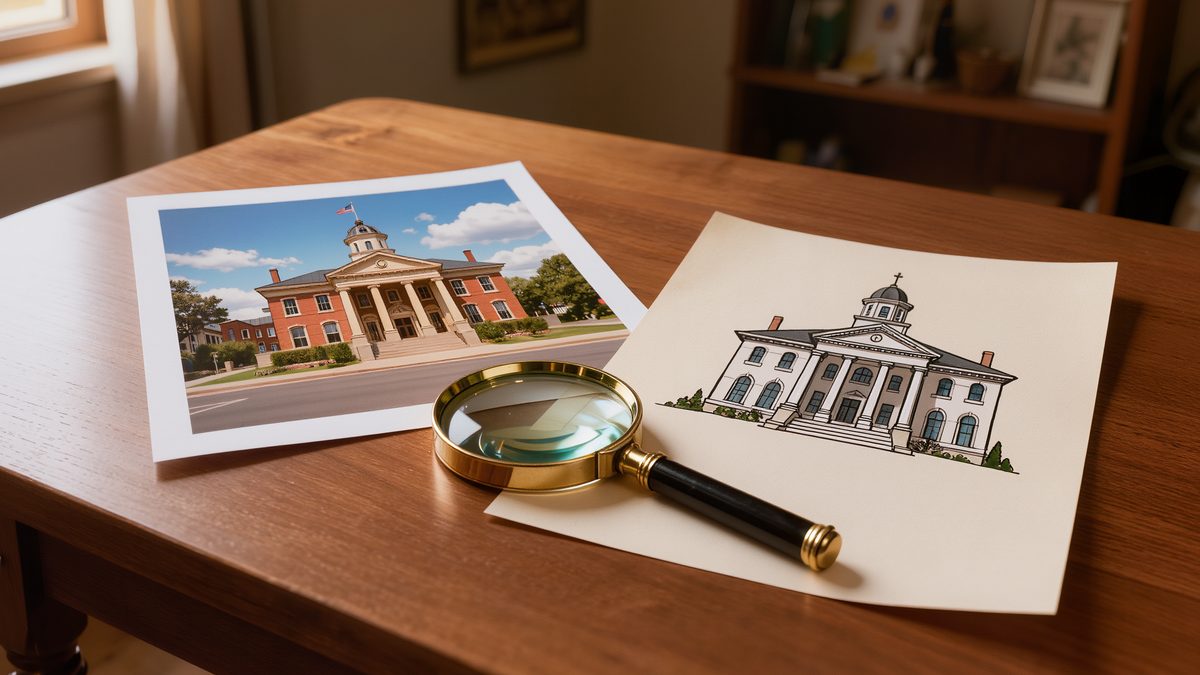
Last week OpenAI updated its post on midterm election safeguards. The new measure: image requests that depict election interference or could make people less likely to vote are “cartoonified”. The aim is to keep such images from being mistaken for documentary evidence, while still allowing illustrations and political commentary.
How well it works
Independent tests are mixed:
- The Brennan Center says OpenAI has significantly improved its protections – compared with Google Gemini and Meta AI, where fakes were easier to create.
- NewsGuard asked ChatGPT Images 2.5 for compromising images of 20 candidates. The tool complied in 16 cases (80%) and refused 3. The new cartoon rule doesn't cover these cases.
- Gizmodo asked for a photorealistic version after getting a cartoon and received one. A test by CNET, on the other hand, was refused.
OpenAI itself describes the goal as adding “friction” for misuse – not as complete protection.
What this means for you
- AI vendors are increasingly deciding which images may be generated photorealistically. That can affect ad and social media visuals too.
- No filter is airtight: responsibility for fakes ultimately lies with the person who publishes the image.
- If you use AI images in marketing, label them clearly and never put real people into invented situations.
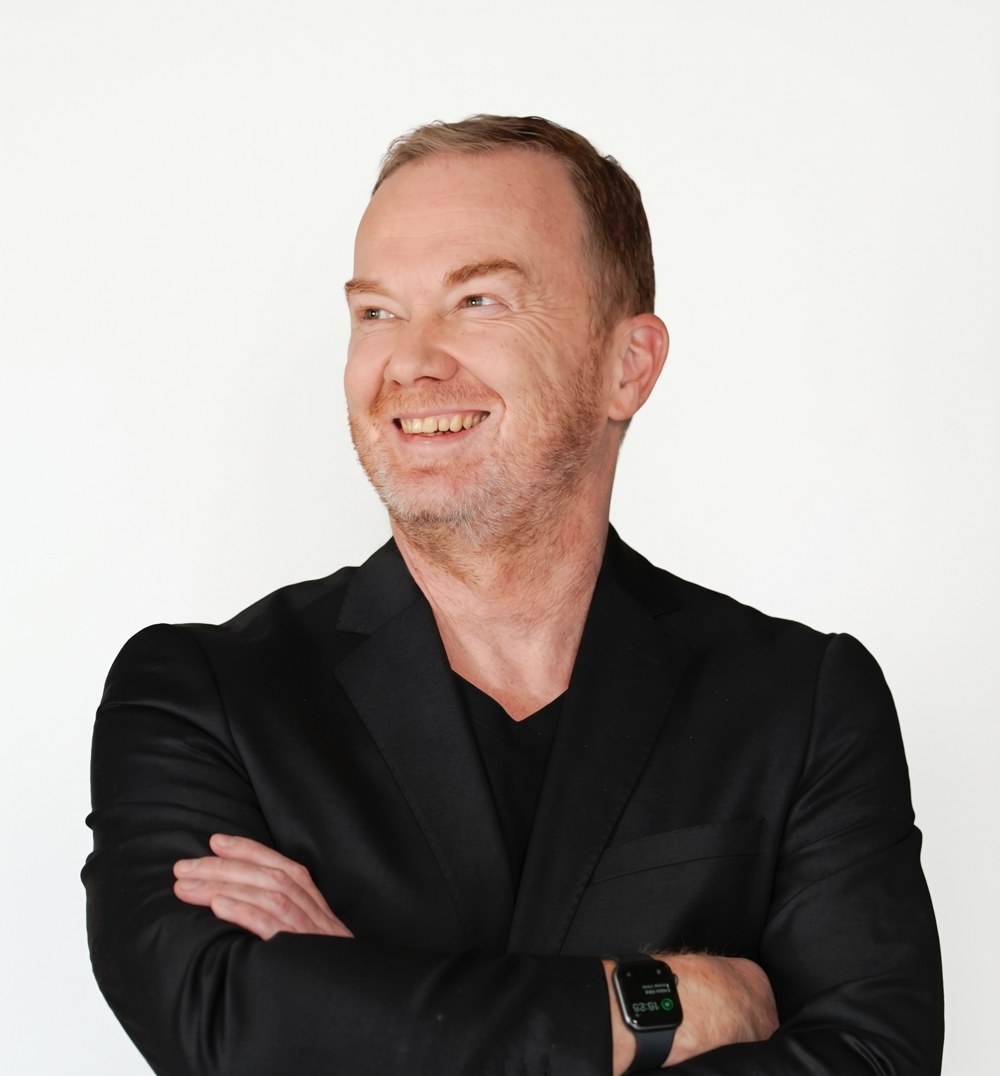
Luigi's take
I use AI images myself – on this site too – and I label them. That's exactly why I find this debate important: the problem isn't AI images, it's images that pretend to show something real.
For marketing, I take a simple rule from this: AI may create moods, symbols and scenes, but never evidence. No recognisable real people, no “photos” of events that didn't happen, and a clear note wherever AI is involved. If you work that way from the start, new vendor filters won't worry you much – and you earn trust with an audience that is rightly sceptical.
Source
Gizmodo: ChatGPT's Election-Related Anti-Deepfake Measures Are Intriguing, but Incomplete
More sources
- NewsGuard – Test von ChatGPT Images 2.5 mit 20 Kandidaten-Prompts
This article was researched and written with AI assistance. Responsible: Luigi Lugmayr.