 BUSINESS

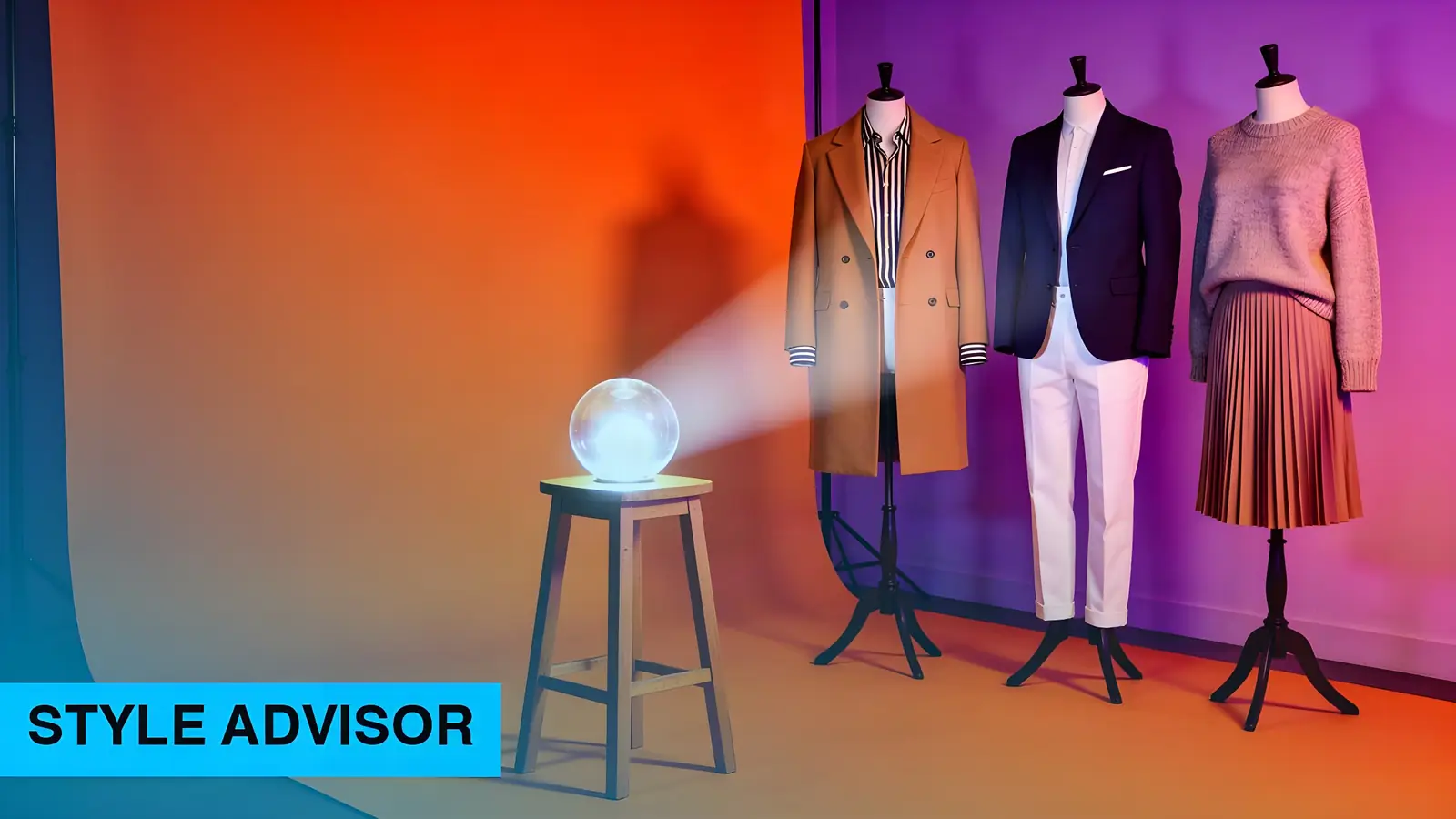
J.Crew won't let its new AI stylist invent outfits. The Claude-based advisor only picks from looks human stylists built for catalog shoots, and that shows where the value in a brand's own agent really sits.
Key facts
- J.Crew launched Style Advisor on JCrew.com on November 12, 2026, built with Anthropic's Claude; it is available in the US only, for women's and men's styles.
- Per Anthropic, every suggestion comes from looks J.Crew's stylists created for catalog shoots; the AI does not invent new combinations.
- In production Claude Sonnet 5.5 runs the conversation and Haiku 5.5 handles quick subtasks; personalization by purchase history and more markets are planned.
Researched and written with AI, to Luigi's brief, positions and editorial rules. Automatically checked against the sources. How I work →
The obvious move would have been to let the AI invent outfits. Endless combinations, personalized, in seconds. J.Crew built the opposite. That's what makes this launch worth a look.
What J.Crew launched
On November 12 the US retailer switched on “Style Advisor” on JCrew.com, built with Anthropic's Claude. Shoppers describe an occasion, say a beach wedding or a first job interview, and get complete outfits instead of single products. They can refine in conversation or start from one item and ask what goes with it.
- Where the looks come from: every suggestion comes from looks J.Crew's stylists put together for its catalog shoots. The AI selects; it doesn't invent new combinations.
- Model stack, per Anthropic: Claude Fable 5.1 helped plan how the advisor should reason like a stylist; Opus 5.5 built the prototype in Claude Code; in production, Sonnet 5.5 runs the conversation and Haiku 5.5 handles quick subtasks.
- Availability: US only, women's and men's. Personalization based on past purchases and more markets are planned but not live.
The catalog is the moat, not the model
Here's what I find interesting: any brand can rent the model. Nobody can rent the looks J.Crew's stylists have been building for over 40 years, as Anthropic puts it. So J.Crew doesn't make the AI the product. It makes its own curated knowledge the product and lets the AI be the door.
That fits a position I've held for a long time: trust is a brand's most valuable asset. A stylist that freely hallucinates will eventually suggest an item that doesn't exist, or a combination the brand would never stand behind. An advisor that only draws on vetted looks can't. The constraint is the feature.
The second-order point: your own agent needs your own material
Third-party agents increasingly filter what customers see, from ChatGPT to shopping assistants. If you put your own agent on your own site instead, it needs something only you have. An agent only knows what you give it. For many retailers that's an uncomfortable truth: the lookbook, the in-store advice, the sizing know-how of sales staff live in people's heads and PDFs, not in a data layer an agent can use.
One more detail for whoever owns the budget: per Anthropic, the expensive frontier model built it, and faster, cheaper models run it. That's the cost pattern to ask every vendor about.
The catch
There are no numbers: no usage, no conversion, no basket impact. The write-up comes from Anthropic itself. Whether shoppers would rather talk to an advisor than use filters, only time in production will tell.
What I'd do now
- Inventory your own curation: which looks, bundles and recommendations has your team already built, and are they structured?
- Limit your first agent to exactly that material. One clearly scoped job that ends in a purchase decision.
- Ask your vendor about the model mix: what builds it, what runs it day to day, what does one conversation cost?
Bottom lineAt J.Crew the AI is just the salesperson. The ideas belong to the brand, and that's exactly why it works.
Got AI news? Submit news →
Source
Claude (Anthropic): J.Crew launches Style Advisor with Claude

 NewsMeta's Muse now calls businesses. They pay for it in staff time