BUSINESS


OpenAI and Anthropic have already shipped chatbots with health features. Apple is launching a study of up to 200,000 people instead, measuring when someone actually believes an AI answer. For any brand in a trust category, that's the bigger news.
Key facts
- Apple launched the Apple Health AI Usage Study with partner OpenEvidence on November 15, 2026, for up to 200,000 participants.
- The study app answers health questions in plain language with links to peer-reviewed research; Apple says study data will not be used to train AI models.
- Participation is US only, for adults 21 and older with an iPhone 15 Pro or later, iOS 26 and Apple Intelligence; the study is not available in Germany, Austria or Switzerland.
Researched and written with AI, to Luigi's brief, positions and editorial rules. Automatically checked against the sources. How I work →
Everyone is racing to ship the fastest AI answer. Apple is building an instrument to measure whether anyone believes it.
What happened
On November 15, Apple launched the Apple Health AI Usage Study. Its partner is OpenEvidence, a clinical AI platform whose answers draw on sources such as the New England Journal of Medicine, JAMA and Nature. Participants ask everyday health questions in a dedicated study app, get answers in plain language and a link to peer-reviewed research for every response. They can optionally share HealthKit data like resting heart rate, sleep or lab results. Apple says study data will not be used to train AI models.
The basics: up to 200,000 participants, US only, adults 21 and older, iPhone 15 Pro or later on iOS 26 with Apple Intelligence. TechCrunch reports the study runs for more than 12 months. Apple's stated goal is to understand what drives trust, response quality, comprehension and everyday health actions.
Apple is measuring the funnel behind the answer
Read that goal list again. Trust, quality, comprehension, action. It sounds like a research protocol. It's a funnel, from "I read the answer" to "I did something with it". Apple wants to know where people drop off before it puts health AI into Siri or the Health app. Whether that ever happens is unclear, per TechCrunch.
To me this is the most disciplined version of an old marketing truth: trust is a brand's most valuable asset. At burgerme I deliberately kept AI-generated content out of the main brand's communication for exactly that reason. Apple takes a different road to the same place. AI, yes, but only once you can measure when people believe it. Others count reach (TechCrunch cites OpenAI's figure of more than 300 million health questions a week). Apple counts trust. A feature is easy to copy. A year of knowing when up to 200,000 people act on an answer is not.
The source becomes the bouncer
The real story is in the design: every answer hangs on a peer-reviewed study. In trust categories, the winner is no longer whoever wrote the best explainer, but whoever sits in the sources the AI cites. For brands in fitness, nutrition, supplements, insurance or pharma, that's a wake-up call. Your blog post isn't a candidate in a system like this. The study it relies on is.
I don't think this stays in health. If "trustworthy AI answer" comes to mean "answer with evidence", claims without a citable source are in trouble. Finance, legal and B2B buying decisions included.
The catch
A study is not a product. It runs in the US only, and whether Apple turns it into a feature is an open question. Apple also says the app has guardrails that flag concerning questions and suggest following up with a provider. Rightly so. It also shows how narrow the lane for health AI is.
What I'd do now
- Ask ChatGPT, Claude and Gemini five real customer questions from your category, without your brand name → note which sources get cited and whether you're in any of them.
- Link every core claim on your site to a citable source: a study, a standard, a test report. Unsupported claims are hard for citing AI systems to use.
- Track trust as its own metric: not just who reads your content, but who acts on it afterwards (inquiry, booking, purchase).
Bottom lineApple isn't building the fastest health AI, it's measuring first when people believe it. In trust categories, the brands that win will be the citable ones, not the loud ones.
Got AI news? Submit news →
FAQ
Who can join Apple's health AI study?
According to Apple, the Apple Health AI Usage Study is US only, for adults 21 and older with an iPhone 15 Pro or later running iOS 26 with Apple Intelligence.
Does Apple use the study data to train AI?
Apple says no. Study data will not be used to train AI models, and participants choose whether to share HealthKit data or survey responses.
Source
Apple Newsroom: Apple launches research study to explore the use of AI for health
More sources
- TechCrunch – Ivan Mehta, 15.11.2026: Laufzeit über 12 Monate; offen, ob Apple KI-Antworten in Health-App oder Siri bringt; OpenAI-Angabe über 300 Mio. Gesundheitsfragen pro Woche


 DealPerplexity and Runway: Black Friday brings credits, not discounts
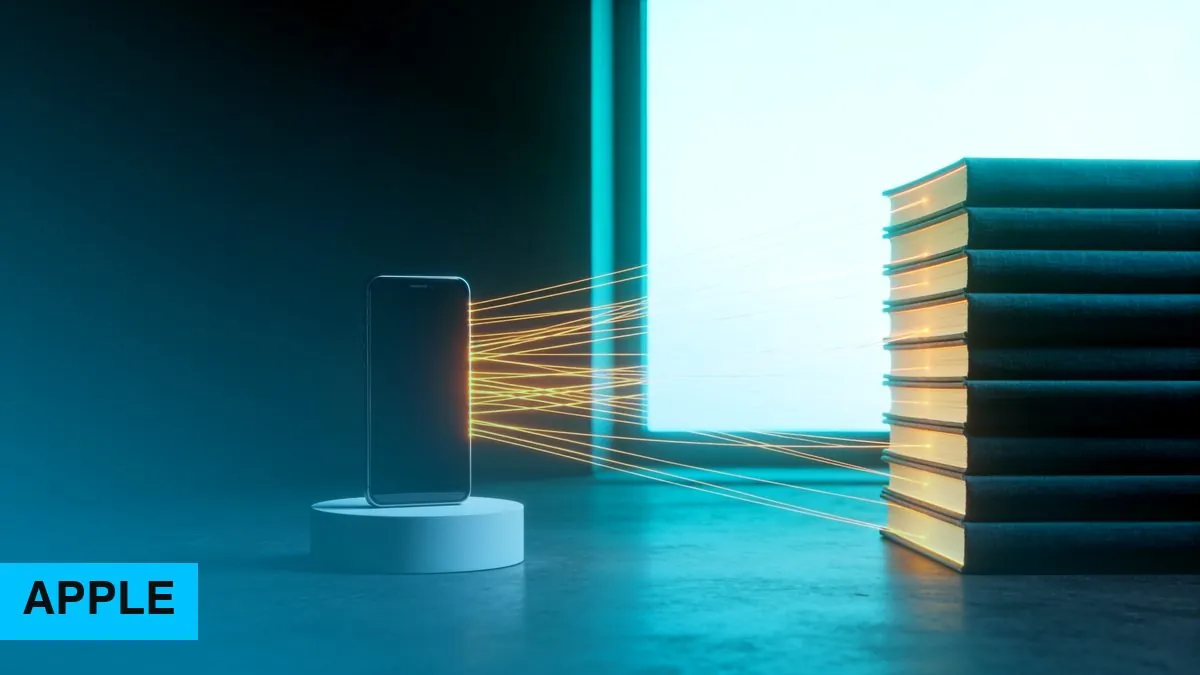 NewsApple's health AI study shows trust is the product