BUSINESS

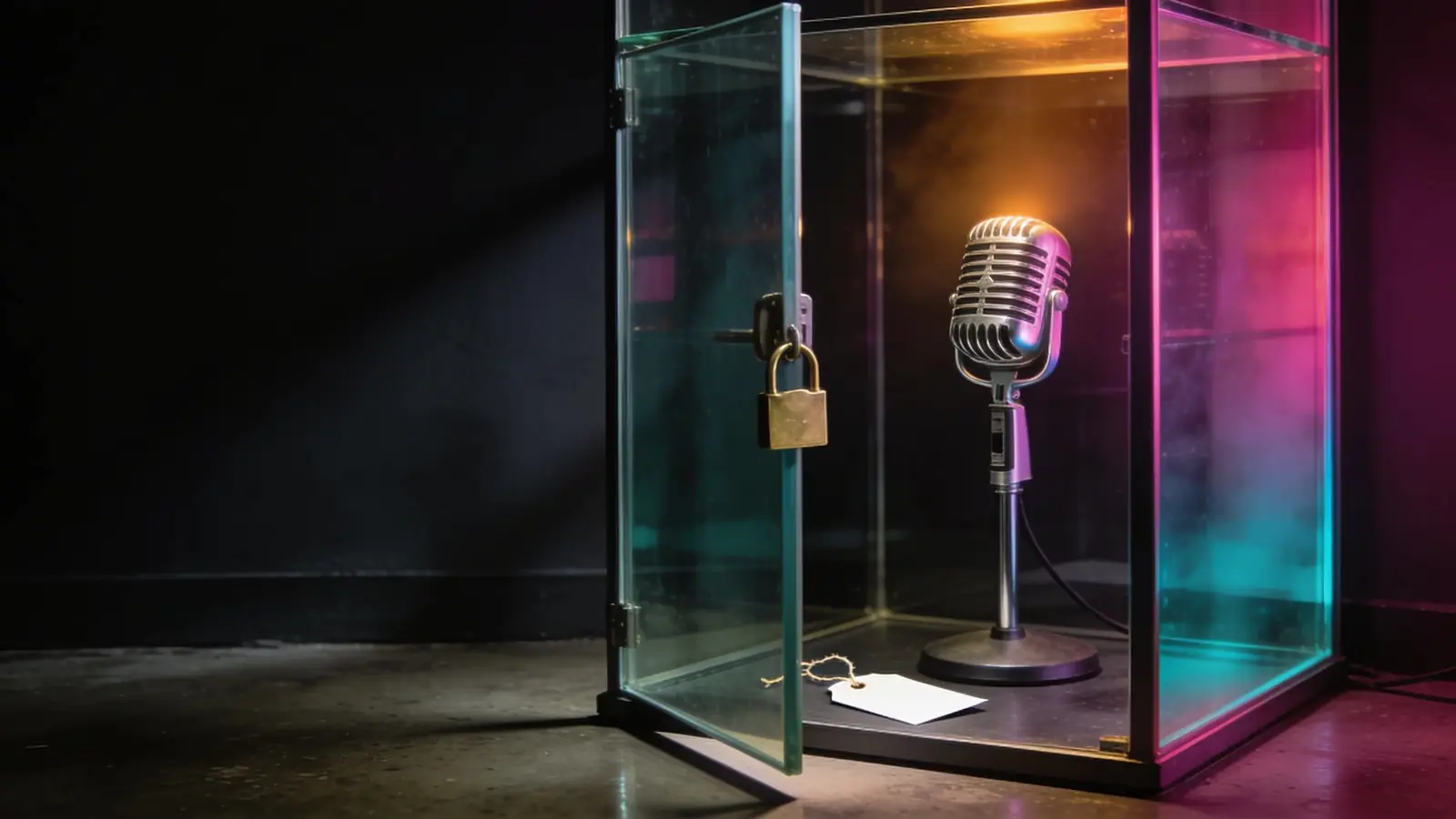
HeyGen now includes its professional voice clone, previously a $29-a-month add-on, in the Pro plan at no extra cost. That removes the last hurdle anyone on the team had to think about. For marketing teams, the rule on whose voice may be cloned is now yours to write.
Key facts
- HeyGen's Pro plan now lists (logged by a pricing tracker on 14 Nov 2026) a Professional Voice Clone at no extra charge; per the help center the add-on cost $29 a month or $288 a year per voice.
- Pro costs $49 a month per HeyGen's pricing page, €42 on the German page (as of 14 Nov 2026).
- Per HeyGen's help center, a professional clone needs at least 20 minutes of audio and is upload-only with no in-app consent step.
Researched and written with AI, to Luigi's brief, positions and editorial rules. Automatically checked against the sources. How I work →
You know the drill. A tool costs extra, so someone has to ask whether you really need it. Annoying. But that question was often the only approval step that existed.
At HeyGen it just disappeared. The Pro plan on the pricing page now lists "1 Professional Voice Clone", described as the highest-fidelity clone of your own voice, flagged as "$29/mo" free. Until now, HeyGen's help center listed the professional clone as an add-on at $29 a month or $288 a year per voice, on top of a paid plan. Pro costs $49 a month according to the pricing page, €42 on the German page (as of 14 Nov 2026). The pricing tracker PricingSaaS logged the change today.
That $29 was your approval process
Here's what I find interesting: the clone isn't new. What's new is that it now ships with every Pro account. According to the help page (updated 13 Oct), a professional clone needs at least 20 minutes of speech, ideally 30 minutes to two hours. It's upload-only, with no in-app recording and no consent step. The recordings should contain only "you".
Translation: the tool trusts that the voice belongs to whoever uploads it. For a solo freelancer, fine. In a marketing team, different story. The shared drive is full of the CEO's podcast episodes, the sales lead's webinars, old brand films. Twenty minutes of audio is easy to find. Who signs off on turning that into a voice that reads any script tomorrow?
A voice is a brand asset, not a feature
For me, a cloned voice belongs in the same drawer as the logo and the tagline. At burgerme we deliberately kept AI-generated content out of the main brand's communication. Not out of tech anxiety, but because trust is a brand's most valuable asset. A voice your customers recognise is exactly that trust, made audible.
Then there's the frame. In Germany, the Berlin Regional Court II ruled on 20 Aug 2025 (2 O 202/24) that an AI voice confusingly similar to a well-known dubbing actor's violated his personality rights without consent. And since 2 Aug 2026, Article 50 of the EU AI Act applies, which mainly covers realistic AI images, video and audio. My overview is in the guide AI marketing law. Not legal advice, but a clear signal: liability sits with whoever publishes, not with the tool.
The catch
A free feature spreads faster than any policy. Cost drops to zero, the work of keeping order doesn't. Teams without a rule now will write one later, right after the first video nobody internally approved.
What I'd do now
- Build a voice register: which voices may be cloned, with the person's written consent, for which channels, and what happens when they leave.
- Lock in human in the loop: every video with a cloned voice goes through sign-off before posting, just like an ad.
- Set a disclosure rule for AI audio and video and have your legal counsel check it. More on AI avatars in ads: AI UGC ads.
Bottom lineOnce the voice clone costs nothing, your approval step is the only thing that still costs it anything.
Got AI news? Submit news →
Source
HeyGen: Pricing (Pro: 1 Professional Voice Clone, $29/mo free)
More sources
- HeyGen Help Center – Stand 13.10.2026: Add-on 29 $/Monat oder 288 $/Jahr pro Stimme, mind. 20 Min. Audio, Upload-only, kein Einwilligungsschritt
- PricingSaaS Pulse – Änderung erfasst am 14.11.2026 (Hinweisgeber)


 NewsHeyGen makes its pro voice clone free. Approval is now your job
 NewsGoogle's Antigravity agents work best when the checker knows nothing